Private Aviation Guide
Light Jet vs. Midsize
vs. Heavy Jet:
Which One Do
You Actually Need?
Choosing the wrong aircraft category is the most common mistake first-time charter clients make. Here's a clear, no-fluff breakdown of every category — and exactly which one fits your trip.
Walk into a charter booking without knowing what aircraft category you need, and you'll either overpay for a jet that's more than your trip requires — or book something too small and spend three hours cramped on a transcontinental flight. Aircraft category is the most important decision in private aviation. This guide expands on the basics in our light jet vs. midsize vs. heavy jet resource and explains which category fits which type of traveler.
How the Industry Categories Jets
Private jets are broadly grouped into five categories: turboprop, light jet, midsize jet, super-midsize jet, and heavy jet — with large-cabin and ultra-long-range variants sitting at the top. Within each category, dozens of specific aircraft models exist. When a broker quotes you, they're usually suggesting a category first and a specific aircraft second, which is why understanding how to read a private jet charter quote matters before you compare options.
The right category depends on four things: how many passengers are flying, how far you're going, how long the flight is, and what amenities matter to you. For corporate executive private jet charter, workspace, schedule control, and privacy often matter as much as range. Everything else — specific model, FBO, catering — comes after you've answered those questions correctly.
We're focusing on the three main categories most charter clients encounter: light jets, midsize jets (including super-midsize), and heavy jets. Turboprops are covered briefly at the end — they're the right call in specific situations that are worth understanding.
"The right aircraft category saves money. The wrong one either costs more than necessary or makes the flight itself uncomfortable — neither of which should happen."
See the Main Private Jet Types
The differences between private jet categories are easier to understand visually. Light jets, midsize jets, super midsize jets, heavy jets, turboprops, and ultra-long-range aircraft each feel different before you ever step onboard.


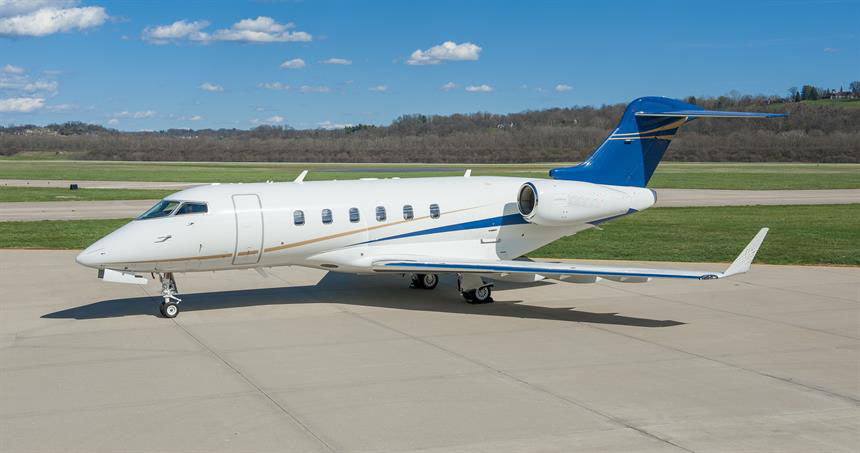


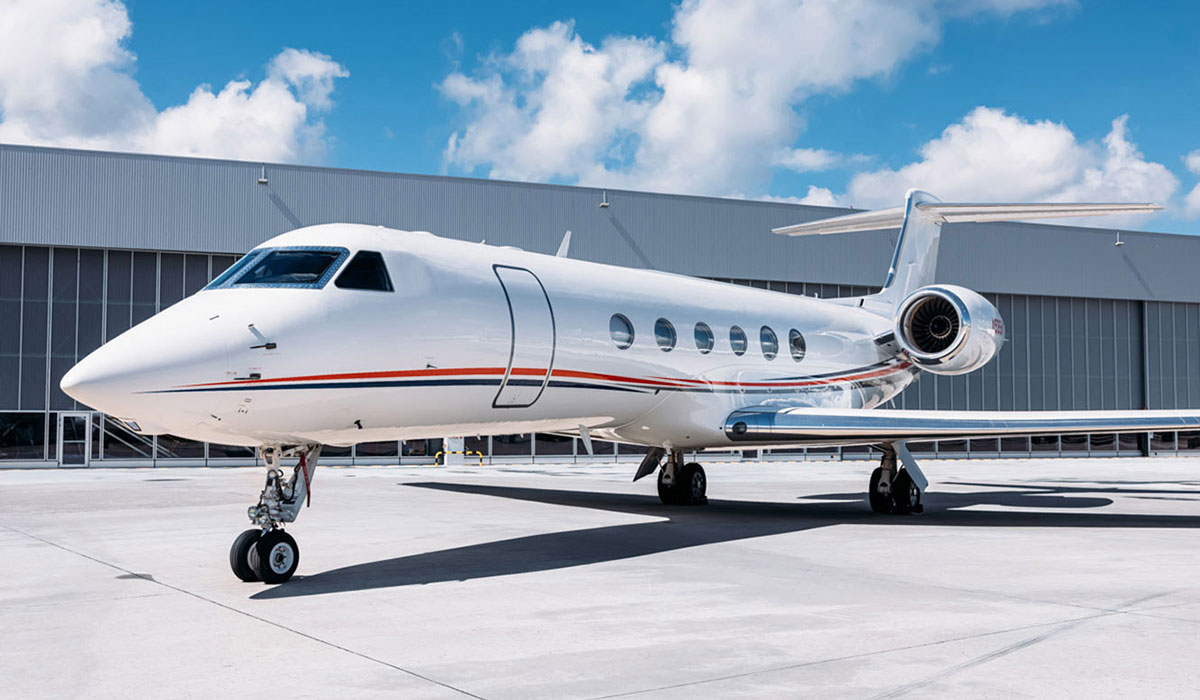
Every Jet Category, Honestly Explained
What each category actually offers — range, capacity, cabin experience, and who it's right for.

Light Jet
The most popular entry point into private aviation — and the right choice for short-to-medium haul trips with smaller groups. Light jets carry 4 to 7 passengers comfortably, typically have a stand-up cabin (on larger models), and are the most cost-efficient option for domestic legs under 1,500 miles, especially when on-demand charter brokers can source aircraft close to your departure point.
The cabin is more compact than midsize — you won't have full stand-up headroom on all models, and the galley is typically minimal. For a 2-hour flight with 4 colleagues or a couple traveling regionally, this is exactly the right tool. Trying to use a light jet for a 5-hour transcontinental is where it starts to feel like the wrong choice.
Regional travel, groups of 2–5, short business trips, weekend getaways to nearby destinations. Miami to New York, Dallas to Houston, LA to Las Vegas.
Midsize Jet
The sweet spot for most charter clients — comfortable enough for longer flights, efficient enough to justify the upgrade from a light jet. Midsize jets offer full stand-up cabins, more generous seating, a true galley, and in-flight entertainment on most configurations. They handle coast-to-coast U.S. flights comfortably, though occasionally with a fuel stop on longer routes.
This is the most-booked category at Global Private Jet Charter. It handles the widest range of trip types — business travel, family leisure, event travel, multi-city routing — without unnecessary cost or unnecessary compromise. For stadiums, conferences, and major events, pairing a midsize jet with the best private airports for event travel in the U.S. can save more time than the aircraft upgrade itself.
Cross-country U.S. travel, groups of 5–8, business trips requiring workspace, event travel, multi-city itineraries, flights up to 5 hours.
Super Midsize Jet
The category that blurs the line between midsize and heavy — and often the most cost-effective way to access near-heavy-jet performance and cabin comfort. Super midsize jets offer true transcontinental range non-stop, wider cabins than standard midsize, and significantly more luggage capacity.
For clients who regularly fly coast-to-coast or U.S. to Caribbean, the super midsize is the practical ceiling before you step up to a full heavy jet. The Challenger 300 and 350 in particular are the most-requested aircraft in this category — known for their wide-body feel, reliability, and strong operator availability across the U.S. market. Availability can become even more important when commercial disruptions, including American Airlines disrupted flights, push travelers into last-minute alternatives.
True transcontinental range, groups of 7–9, U.S. to Caribbean, clients who want heavy jet comfort at a lower price point, 5–7 hour flights.

Heavy Jet
The benchmark for long-range private aviation — full stand-up cabins, separate sleeping areas on ultra-long-range models, dedicated crew rest areas, and range that reaches Europe, Asia, and beyond non-stop from the U.S. Heavy jets are where private aviation becomes a genuinely different category of travel, not just a more convenient version of commercial.
The Gulfstream G550 and G650 are the gold standard in this category — unmatched range, cabin refinement, and global operator infrastructure. The Bombardier Global series (6000, 7500) is their primary competition. For clients making intercontinental trips or traveling with 10+ passengers, this is the right category. For shorter domestic trips, especially when airlines are cutting capacity amid fuel pressure, review commercial route cancellation trends before deciding whether a heavy jet is truly necessary.
International travel, groups of 9–14, overnight flights, executive travel requiring full sleeping/work configuration, U.S. to Europe/Asia routing.
 Heavy jet cabin — a different category of travel entirely
Quick Comparison
Every category at a glance — range, passengers, key capabilities, and typical price positioning.
A note on turboprops: Aircraft like the King Air 350 or Pilatus PC-12 sit below the light jet category. They're propeller-driven, slower, and limited in range — but genuinely the right choice for short regional hops, remote destinations with short runways, or cost-sensitive trips under 500 miles. If your routing fits, they're worth considering, and if your dates are flexible, empty leg flights may open additional aircraft options.

Answer These Four Questions First
Before your broker recommends a category, these are the four questions that determine the right answer. It also helps to know the difference between a broker vs. operator before you call.
How Many Passengers?
Count everyone including yourself. Private jet cabin configurations are fixed — there's no flexibility on the day.
How Far Are You Going?
Distance determines range requirements. A light jet that can't make the route non-stop is the wrong aircraft.
How Long Is the Flight?
Time in the air matters. A 90-minute light jet flight is fine. A 5-hour light jet flight is not.
What Amenities Matter?
Working in flight, sleeping, full meals, privacy — these requirements eliminate certain categories immediately.
What We Recommend for Real Trips
The right aircraft category for most charter trips becomes obvious once you know the routing and group size. For large travel moments like FIFA World Cup 2026 private travel, airport access and passenger timing can matter just as much as range. Here are some common scenarios and the aircraft we'd recommend for each.
New York to Miami, 4 passengers, 2.5-hour flight: Light jet or entry-level midsize. A Citation CJ3+ or Phenom 300 handles this perfectly — no need for more aircraft.
Los Angeles to New York, 6 passengers, business travel: Super midsize. The Challenger 350 is the most common recommendation here — non-stop capability, full stand-up cabin, generous workspace.
Miami to London, 8 passengers: Heavy jet. A Gulfstream G550 or Global 6000 is the right tool — the range, the cabin, and the crew configuration are built exactly for this trip.
Dallas to Las Vegas, 6 passengers, event weekend: Midsize. Clean, efficient, exactly the right amount of aircraft for a 2-hour domestic leg. A light jet works too if the group is smaller.
"The best aircraft recommendation isn't the most impressive one — it's the one that fits the trip without unnecessary cost or unnecessary compromise."

Aircraft Category FAQs
Not always. Upgrading from a light jet to a midsize on a 90-minute regional flight adds cost without adding meaningful value — you spend most of the flight at altitude and never experience the cabin advantage. The upgrade makes sense when flight duration is long enough to feel the difference (2+ hours), when group size justifies the larger cabin, or when baggage or workspace requirements demand it.
The super midsize category sits between midsize and heavy — offering significantly more range (typically 3,500+ miles vs. 2,500 for a standard midsize), a wider cabin, and more baggage capacity. The Challenger 300/350 is the defining aircraft in this space. For transcontinental U.S. travel or Caribbean routing, the super midsize often hits the right balance between capability and cost, avoiding the step-up in price that a full heavy jet requires.
Some can, but usually with a fuel stop. A Citation CJ4 or Phenom 300E can reach the East Coast from LA with one stop — adding time and cost that often makes a midsize jet the better value for that routing. If your priority is non-stop and comfort on a 5-hour leg, light jets are the wrong category regardless of cost savings on paper.
Group size is usually the single most decisive factor. A group of 8 on a light jet configured for 7 isn't legally permitted, and even at 7 it will feel crowded. We always recommend sizing up when you're at the top of a category's capacity — 7 passengers in a midsize is more comfortable and only marginally more expensive than 7 in a light jet at maximum configuration.
When you contact us with a trip, we ask for passenger count, routing, preferred departure window, and any specific requirements — workspace, baggage, catering. From there we recommend the appropriate category first, then source the best specific aircraft available in that category from our operator network. We present 2–3 curated options with full details — tail number, aircraft age, interior photos, and all-in pricing — before you commit to anything.
Tell Us Your Trip. We'll Recommend the Right Aircraft.
Route, passengers, dates. That's all we need to put together the right options — and the right price.